

The ongoing mess around Corb Lund and Water Not Coal’s disqualified petition to ban coal mining in the Rockies doesn’t look like it’s going to clear up any time soon, because Elections Alberta and Lund’s descriptions of the agency’s verification process are just not lining up.
Lund has served as the public face for Water Not Coal, an independent activist group that campaigned earlier this year to collect signatures demanding a referendum on coal expansion in the Rockies. They used the province’s citizen initiative process, which was created by the Kenney government in 2021 and has been modified repeatedly by the Smith government since.
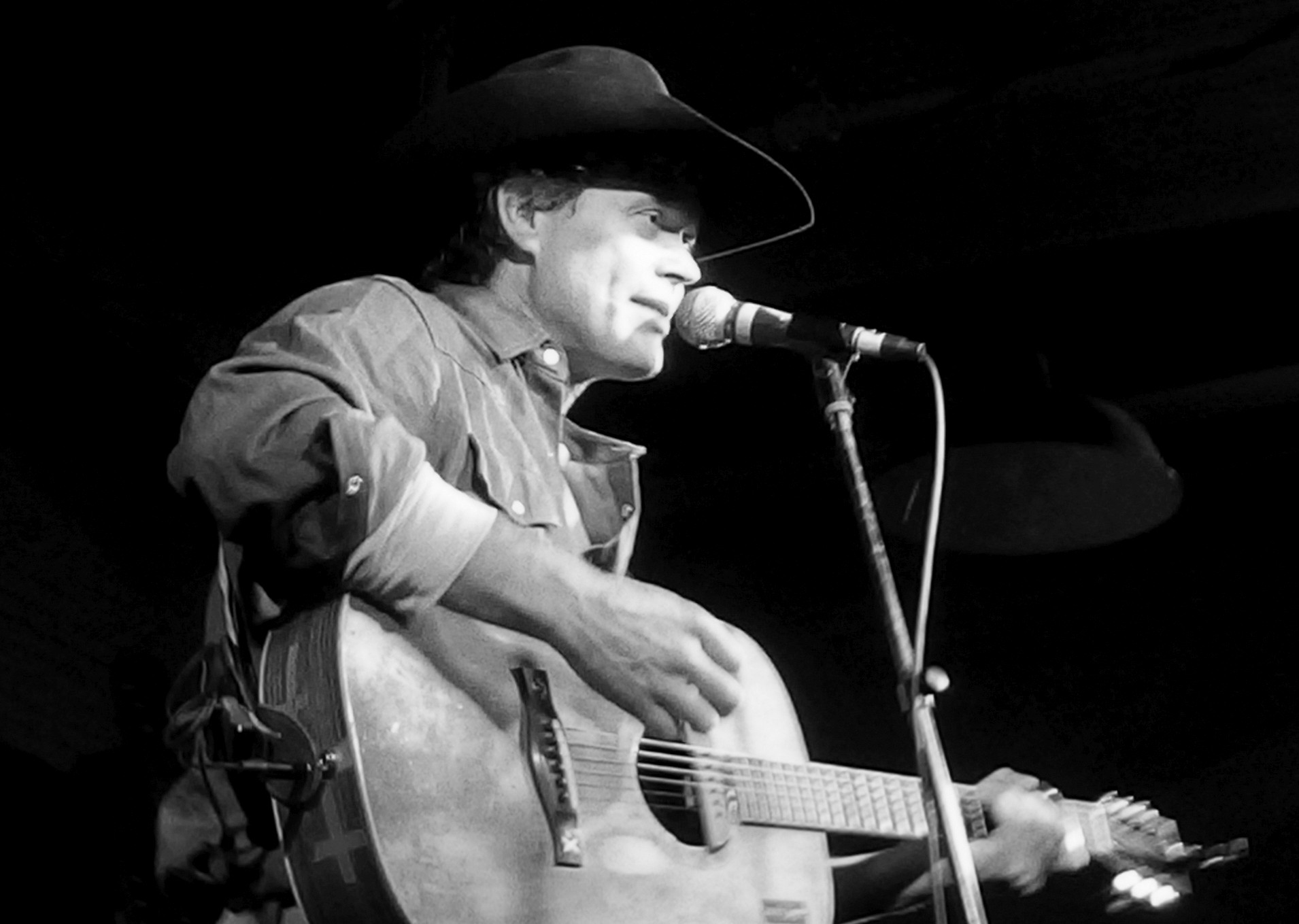 Country music star Corb Lund has served as the public face for the Water Not Coal campaign. Creative Commons image from Jim Whiteley
Unlike Thomas Lukaszuk’s Forever Canadian campaign, which filed their petition under the ‘policy proposal’ track, Water Not Coal applied specifically for a referendum—which would have meant a successful petition would give the government no other choice than to hold that referendum.
A successful petition would have caused significant grief for Danielle Smith’s United Conservative Party. Coal expansion has become a symbol for growth of the resource industry in general, a popular goal among the UCP base. Beyond that, the coal companies involved have been very litigious: coal companies are already wringing undisclosed but presumably large settlements out of the government for previous disruptions in the development process.
But the government was freed from that pressure on July 3rd, when Elections Alberta ruled the Water Not Coal application invalid for failing the agency’s verification process.
Elections Alberta subjects petition applications to two checks—validation and verification—when they are filed. Validation checks that the petition paperwork is filed properly; and then verification contacts a random selection of petition signers to verify that they did, in fact, sign it. Elections Alberta then makes an estimate about the total petition based on the results of that sample.
Forever Canadian passed both of Elections Alberta’s checks, but while Water Not Coal’s validation rate was similar, their signatures failed verification at nearly twice the rate of that petition. That led Elections Alberta to conclude that their petition did not contain the 177,732 valid signatures needed to proceed.
Lund responded on July 7th in an interview with podcaster Ryan Jespersen by disputing the fairness of the verification process.
Lund pointed to Alberta’s recent electoral data leak as something that would lead petition signers not to answer a verification phone call, and argued that Elections Alberta made that problem even worse with changes to their script and process.
The calls weren’t identified as coming from Elections Alberta on caller ID, said Lund.
“A couple days before Elections Alberta started their verification process, they did a social media blitz and put it on their own website that we are going to be calling and there's going to be a caller ID that says Alberta Elections Alberta… Then they did all the calls and they didn't use caller ID. So they're using a random 800 number.”
“Since Forever Canada had their thing, the process was a binary question. It's like, is your name Ryan Jespersen? Yes, it is. Do you live at 111 Main Street? Yes. Yes, I do. Did you sign? Yes, I do,” said Lund, going on to argue that changes to the verification call script also would have made petition signers reluctant to verify.
If true, these changes to the process would represent an attempt to suppress Lund’s petition, something the provincial government certainly had motive to do.
Elections Alberta denies both of Lund’s claims.
In response to an inquiry from the Report last week, an Elections Alberta spokesperson told us that the Water Not Coal verification calls actually did have Elections Alberta on the caller ID.
They also told us that Lund's claim about the script having changed to demand the signers' personal identification was not true. Elections Alberta sent us what they said were the call scripts for both verification processes. In both processes the elections agent does not provide the signer’s name, but asks for it, contrary to Lund’s description.
We reached out to the Water Not Coal campaign to ask what evidence they could provide for the way Lund described the verification calls, but did not receive a reply before our publication deadline. Only 384 people in the province interacted with Elections Alberta on these calls and their identities are not publicly available. Over the weekend, Water Not Coal put a call out on social media trying to find them.